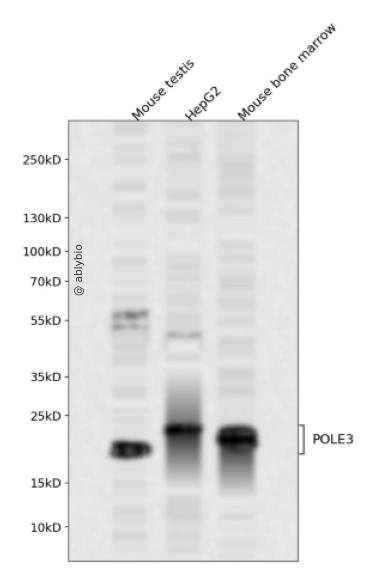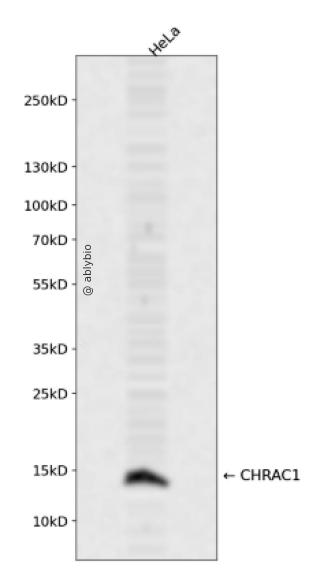
Methylation, acetylation and related marks encode open or closed chromatin states that gate transcription.
AblyBio · Research Areas
表观遗传学与核信号
Epigenetics studies heritable changes in gene expression and phenotype that do not alter the DNA sequence. AblyBio provides validated antibodies spanning DNA modifications, histone regulation, chromatin remodeling, and nuclear signaling to support disease mechanism and developmental research.
Methylation, acetylation and related marks encode open or closed chromatin states that gate transcription.
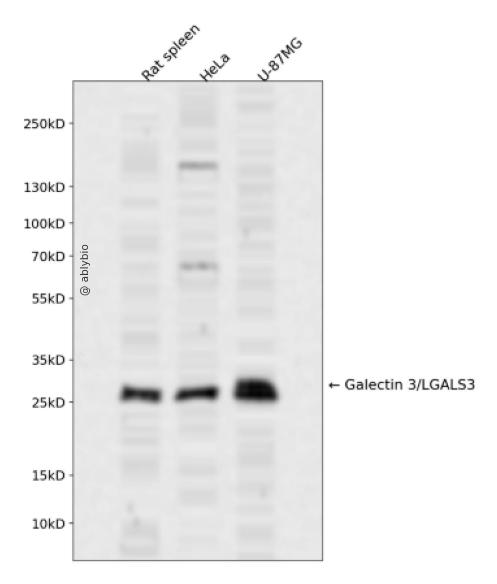
Enzyme and recognition networks write, erase and interpret epigenetic marks that program transcription.
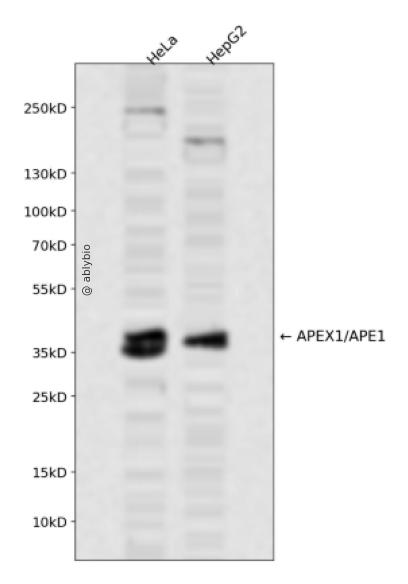
Transcription factors, nuclear receptors and DNA-repair pathways integrate signals that shape cell fate.
Mechanistic highlights and entry points for your research
At the core of epigenetics is dynamic chromatin control: nucleosomes built from histones H2A, H2B, H3 and H4 carry post-translational marks—methylation, acetylation, phosphorylation, ubiquitination and more—that, together with cytosine methylation on DNA, determine gene activation or silencing.
ATP-dependent remodelers, epigenetic writers and erasers, and mark-specific readers work with transcription factors and nuclear receptor pathways to guide development, stress responses, and cell fate. Their dysregulation is tightly linked to cancer and metabolic, neurological, and inflammatory disease.
Explore the topic categories below, or browse related antibodies to find reagents for your assays.
Drill into mechanisms and targets to find matching antibodies
Validated antibodies for this research area across WB, IHC, IF and more
3055 products