
HDAC1 (YD35600) Rabbit mAb (货号:AYD16567)
A
小A
销售顾问

请使用微信扫一扫
添加顾问进行咨询
货号
AYD16567
靶点/基因
HDAC1/Hdac1
宿主
Rabbit
克隆性
Monoclonal
反应种属
Human, Mouse, Rat
应用
WB, IHC-P, ICC/IF, FC, IP
产品信息
应用指南
相关产品
抗原信息
靶点信息
资料与支持
实验步骤
常见问题
| 反应 | Human, Mouse, Rat |
|---|---|
| 宿主 | Rabbit |
| 克隆性 | Monoclonal |
| 同种型 | IgG |
| 应用 | WBIHC-PICC/IFFCIP |
| 推荐浓度 | |
| 理论分子量 | 55kDa/55kDa/55kDa |
| 实测分子量 | |
| 形式 | Liquid |
| 保存条件 | Store at -20℃. Avoid freeze / thaw cycles. Buffer: PBS with 0.75% BSA,50% glycerol,pH7.3. |
| 偶联物 | Unconjugated |
| 阳性对照 | |
| 细胞定位 | Nucleus |
| 纯化 | 亲和纯化 |
应用与推荐条件
快速判断怎么用
以下条件基于推荐浓度、验证图说明与通用实验要求整理,可作为预实验起点;不同样本和检测体系建议做梯度优化。
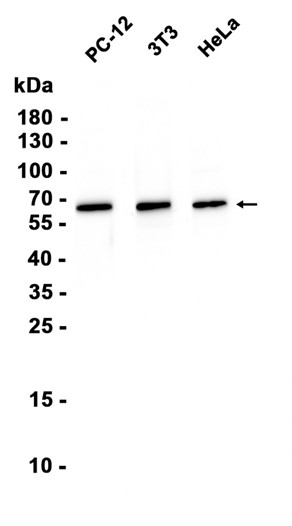
WB
WB 推荐条件
| 推荐稀释 | 请参考验证图说明或咨询技术支持 |
|---|---|
| 建议样本/阳性对照 | 建议选择靶点高表达样本作为阳性对照 |
| 关键条件 | 建议使用新鲜裂解样本,按推荐稀释比例孵育一抗,并关注理论/实测分子量 |
| 预期结果 | 预期信号/条带约 55kDa/55kDa/55kDa |
| 对照设置 | 建议设置阳性样本、阴性样本和二抗/同型对照 |
IHC-P
IHC-P 推荐条件
| 推荐稀释 | 请参考验证图说明或咨询技术支持 |
|---|---|
| 建议样本/阳性对照 | 建议选择靶点高表达样本作为阳性对照 |
| 关键条件 | 石蜡切片建议优化抗原修复液 pH、修复时间和一抗孵育条件 |
| 预期结果 | 预期定位:Nucleus |
| 对照设置 | 建议设置阳性样本、阴性样本和二抗/同型对照 |
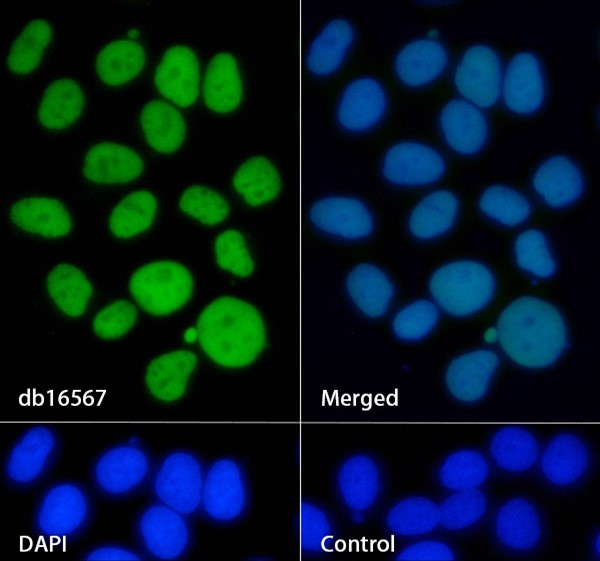
ICC/IF
ICC/IF 推荐条件
| 推荐稀释 | 请参考验证图说明或咨询技术支持 |
|---|---|
| 建议样本/阳性对照 | 建议选择靶点高表达样本作为阳性对照 |
| 关键条件 | 建议优化固定、通透和封闭条件,并设置二抗空白对照 |
| 预期结果 | 预期荧光定位:Nucleus |
| 对照设置 | 建议设置阳性样本、阴性样本和二抗/同型对照 |
FC
FC 推荐条件
| 推荐稀释 | 请参考验证图说明或咨询技术支持 |
|---|---|
| 建议样本/阳性对照 | 建议选择靶点高表达样本作为阳性对照 |
| 关键条件 | 如检测胞内靶点,需优化固定/通透条件,并设置同型对照 |
| 预期结果 | 预期阳性群体荧光信号相对阴性/同型对照右移 |
| 对照设置 | 建议设置阳性样本、阴性样本和二抗/同型对照 |
IP
IP 推荐条件
| 推荐稀释 | 请参考验证图说明或咨询技术支持 |
|---|---|
| 建议样本/阳性对照 | 建议选择靶点高表达样本作为阳性对照 |
| 关键条件 | 建议从页面推荐浓度开始,结合样本与检测体系做梯度优化 |
| 预期结果 | 预期信号/条带约 55kDa/55kDa/55kDa |
| 对照设置 | 建议设置阳性样本、阴性样本和二抗/同型对照 |
相关产品
查找相关产品 >>
抗原信息
| 抗原信息 | 请咨询 技术支持 |
|---|---|
| 序列 | Email For Sequence |
靶点信息
| 研究背景 | Histone deacetylase that catalyzes the deacetylation of lysine residues on the N-terminal part of the core histones (H2A, H2B, H3 and H4) (PubMed:16762839, PubMed:17704056, PubMed:28497810). Histone deacetylation gives a tag for epigenetic repression and plays an important role in transcriptional regulation, cell cycle progression and developmental events (PubMed:16762839, PubMed:17704056). Histone deacetylases act via the formation of large multiprotein complexes (PubMed:16762839, PubMed:17704056). Acts as a component of the histone deacetylase NuRD complex which participates in the remodeling of chromatin (PubMed:16428440, PubMed:28977666). As part of the SIN3B complex is recruited downstream of the constitutively active genes transcriptional start sites through interaction with histones and mitigates histone acetylation and RNA polymerase II progression within transcribed regions contributing to the regulation of transcription (PubMed:21041482). Also functions as a deacetylase for non-histone targets, such as NR1D2, RELA, SP1, SP3, STAT3, ZNF76 and TSHZ3 (PubMed:12837748, PubMed:16285960, PubMed:16337145, PubMed:16478997, PubMed:17996965, PubMed:19343227). Deacetylates SP proteins, SP1 and SP3, and regulates their function (PubMed:12837748, PubMed:16478997). Component of the BRG1-RB1-HDAC1 complex, which negatively regulates the CREST-mediated transcription in resting neurons (PubMed:19081374). Upon calcium stimulation, HDAC1 is released from the complex and CREBBP is recruited, which facilitates transcriptional activation (PubMed:19081374). Deacetylates TSHZ3 and regulates its transcriptional repressor activity (PubMed:19343227). Deacetylates 'Lys-310' in RELA and thereby inhibits the transcriptional activity of NF-kappa-B (PubMed:17000776). Deacetylates NR1D2 and abrogates the effect of KAT5-mediated relieving of NR1D2 transcription repression activity (PubMed:17996965). Component of a RCOR/GFI/KDM1A/HDAC complex that suppresses, via histone deacetylase (HDAC) recruitment, a number of genes implicated in multilineage blood cell development (By similarity). Involved in CIART-mediated transcriptional repression of the circadian transcriptional activator: CLOCK-BMAL1 heterodimer (By similarity). Required for the transcriptional repression of circadian target genes, such as PER1, mediated by the large PER complex or CRY1 through histone deacetylation (By similarity). In addition to protein deacetylase activity, also has protein-lysine deacylase activity: acts as a protein decrotonylase and delactylase by mediating decrotonylation ((2E)-butenoyl) and delactylation (lactoyl) of histones, respectively (PubMed:28497810, PubMed:35044827) Histone deacetylase that catalyzes the deacetylation of lysine residues on the N-terminal part of the core histones (H2A, H2B, H3 and H4) (PubMed:10615135, PubMed:15542849, PubMed:21960634, PubMed:30279482). Histone deacetylation gives a tag for epigenetic repression and plays an important role in transcriptional regulation, cell cycle progression and developmental events (PubMed:10615135, PubMed:15542849, PubMed:21960634). Histone deacetylases act via the formation of large multiprotein complexes (PubMed:10615135, PubMed:21960634). Acts as a component of the histone deacetylase NuRD complex which participates in the remodeling of chromatin (By similarity). As part of the SIN3B complex is recruited downstream of the constitutively active genes transcriptional start sites through interaction with histones and mitigates histone acetylation and RNA polymerase II progression within transcribed regions contributing to the regulation of transcription (By similarity). Also functions as a deacetylase for non-histone targets, such as NR1D2, RELA, SP1, SP3, STAT3, ZNF76 and TSHZ3 (By similarity). Deacetylates SP proteins, SP1 and SP3, and regulates their function (By similarity). Component of the BRG1-RB1-HDAC1 complex, which negatively regulates the CREST-mediated transcription in resting neurons (By similarity). Upon calcium stimulation, HDAC1 is released from the complex and CREBBP is recruited, which facilitates transcriptional activation (By similarity). Deacetylates TSHZ3 and regulates its transcriptional repressor activity (By similarity). Deacetylates 'Lys-310' in RELA and thereby inhibits the transcriptional activity of NF-kappa-B (By similarity). Deacetylates NR1D2 and abrogates the effect of KAT5-mediated relieving of NR1D2 transcription repression activity (By similarity). Component of a RCOR/GFI/KDM1A/HDAC complex that suppresses, via histone deacetylase (HDAC) recruitment, a number of genes implicated in multilineage blood cell development (PubMed:17707228). Involved in CIART-mediated transcriptional repression of the circadian transcriptional activator: CLOCK-BMAL1 heterodimer (PubMed:15226430, PubMed:24736997). Required for the transcriptional repression of circadian target genes, such as PER1, mediated by the large PER complex or CRY1 through histone deacetylation (PubMed:15226430). In addition to protein deacetylase activity, also has protein-lysine deacylase activity: acts as a protein decrotonylase and delactylase by mediating decrotonylation ((2E)-butenoyl) and delactylation (lactoyl) of histones, respectively (PubMed:30279482) Histone deacetylase that catalyzes the deacetylation of lysine residues on the N-terminal part of the core histones (H2A, H2B, H3 and H4). Histone deacetylation gives a tag for epigenetic repression and plays an important role in transcriptional regulation, cell cycle progression and developmental events. Histone deacetylases act via the formation of large multiprotein complexes (By similarity). Acts as a component of the histone deacetylase NuRD complex which participates in the remodeling of chromatin (By similarity). As part of the SIN3B complex is recruited downstream of the constitutively active genes transcriptional start sites through interaction with histones and mitigates histone acetylation and RNA polymerase II progression within transcribed regions contributing to the regulation of transcription (By similarity). Also functions as a deacetylase for non-histone targets, such as NR1D2, RELA, SP1, SP3, STAT3, ZNF76 and TSHZ3 (By similarity). Deacetylates SP proteins, SP1 and SP3, and regulates their function (By similarity). Component of the BRG1-RB1-HDAC1 complex, which negatively regulates the CREST-mediated transcription in resting neurons (By similarity). Upon calcium stimulation, HDAC1 is released from the complex and CREBBP is recruited, which facilitates transcriptional activation (By similarity). Deacetylates TSHZ3 and regulates its transcriptional repressor activity (By similarity). Deacetylates 'Lys-310' in RELA and thereby inhibits the transcriptional activity of NF-kappa-B (By similarity). Deacetylates NR1D2 and abrogates the effect of KAT5-mediated relieving of NR1D2 transcription repression activity (By similarity). Component of a RCOR/GFI/KDM1A/HDAC complex that suppresses, via histone deacetylase (HDAC) recruitment, a number of genes implicated in multilineage blood cell development. Involved in CIART-mediated transcriptional repression of the circadian transcriptional activator: CLOCK-BMAL1 heterodimer. Required for the transcriptional repression of circadian target genes, such as PER1, mediated by the large PER complex or CRY1 through histone deacetylation. In addition to protein deacetylase activity, also has protein-lysine deacylase activity: acts as a protein decrotonylase and delactylase by mediating decrotonylation ((2E)-butenoyl) and delactylation (lactoyl) of histones, respectively (By similarity) |
|---|---|
| 基因 ID | 3065 |
| 基因名 | HDAC1, Hdac1 |
| Swiss | Q13547, O09106, Q4QQW4 |
| 别名 | HDAC1 (YD35600),HDAC1 (YD35600) Rabbit mAb,HDAC1,Protein deacetylase HDAC1,Protein deacylase HDAC1,RPD3L1 |
资料与技术支持
验证数据
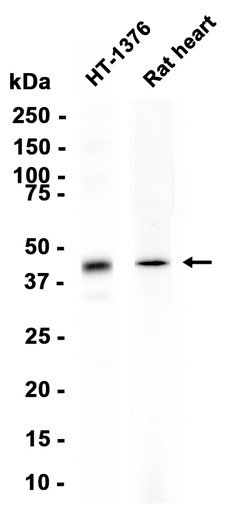
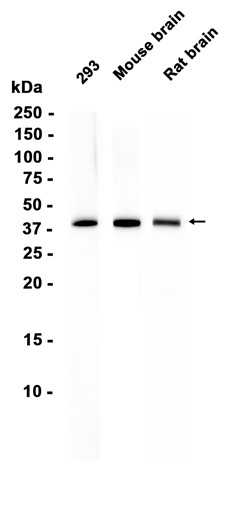
2 张验证图
页面顶部轮播可查看应用验证图,覆盖 WB / IHC-P / ICC/IF / FC / IP。
常见问题
当前页面标注应用包括 WB, IHC-P, ICC/IF, FC, IP,建议结合页面验证图和推荐稀释比例进行预实验优化。
可通过页面询价/留言入口提交货号和批号,技术支持会协助提供对应批次资料。
页面推荐条件可作为起始浓度,不同样本、固定方式和检测体系可能需要梯度优化。